
The $5 gift that will SAVE your next kayak adventure
Learn from our mistake, friends…
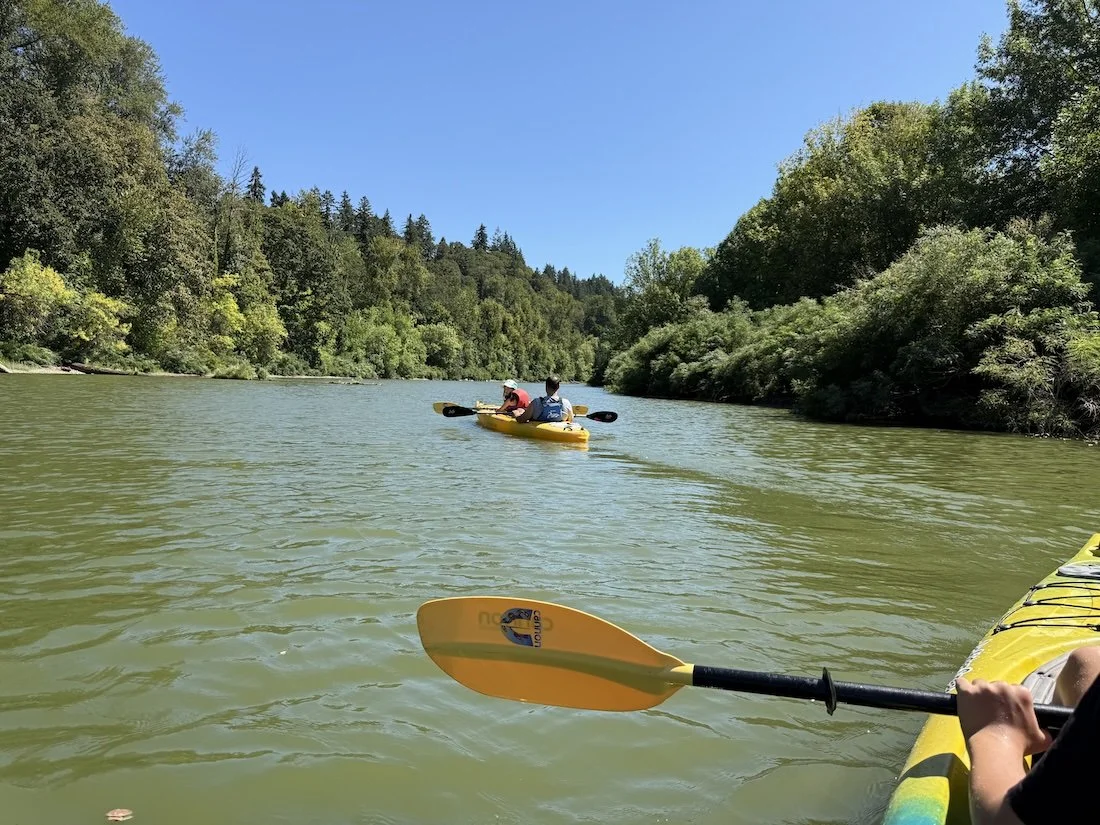
How our flatwater kayaking experience started
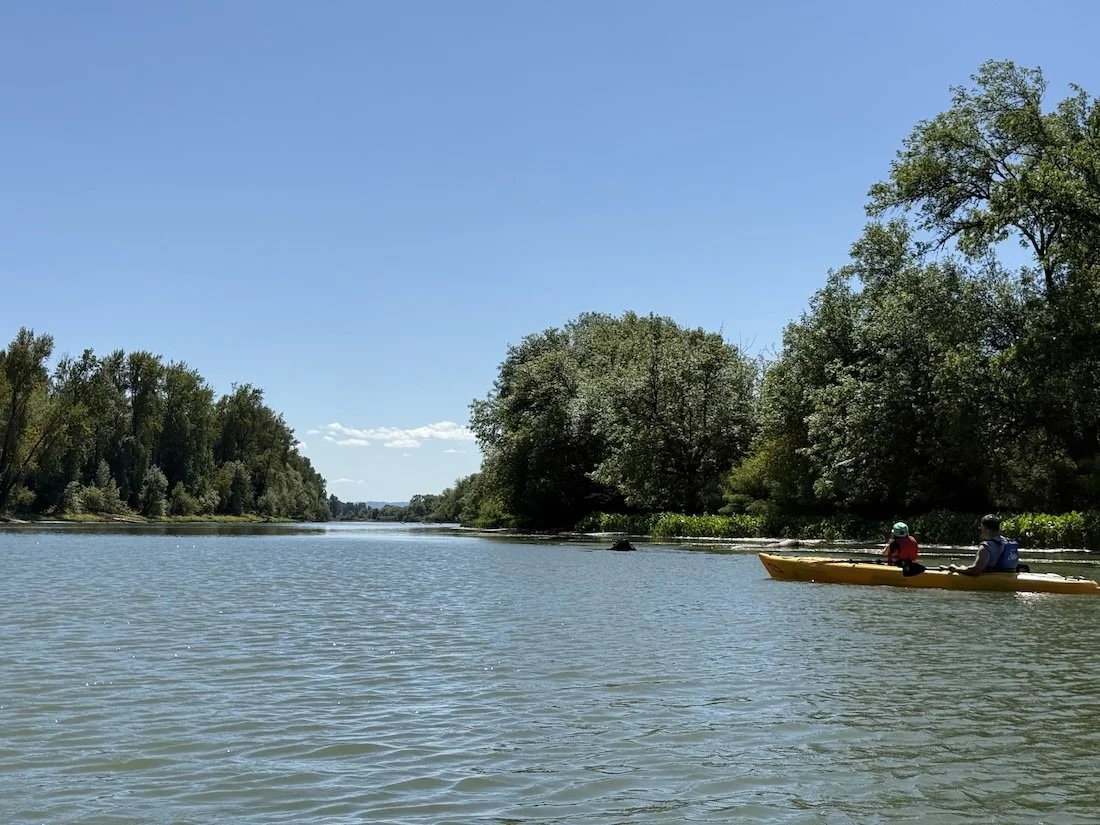
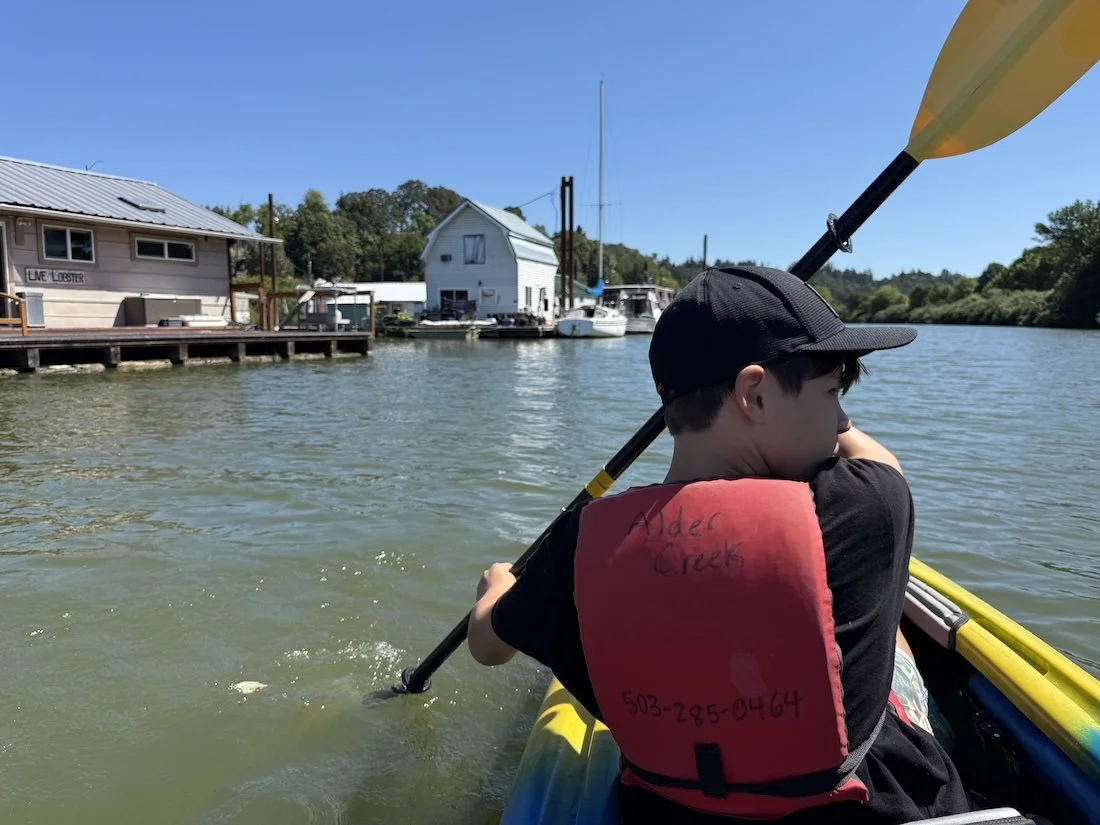
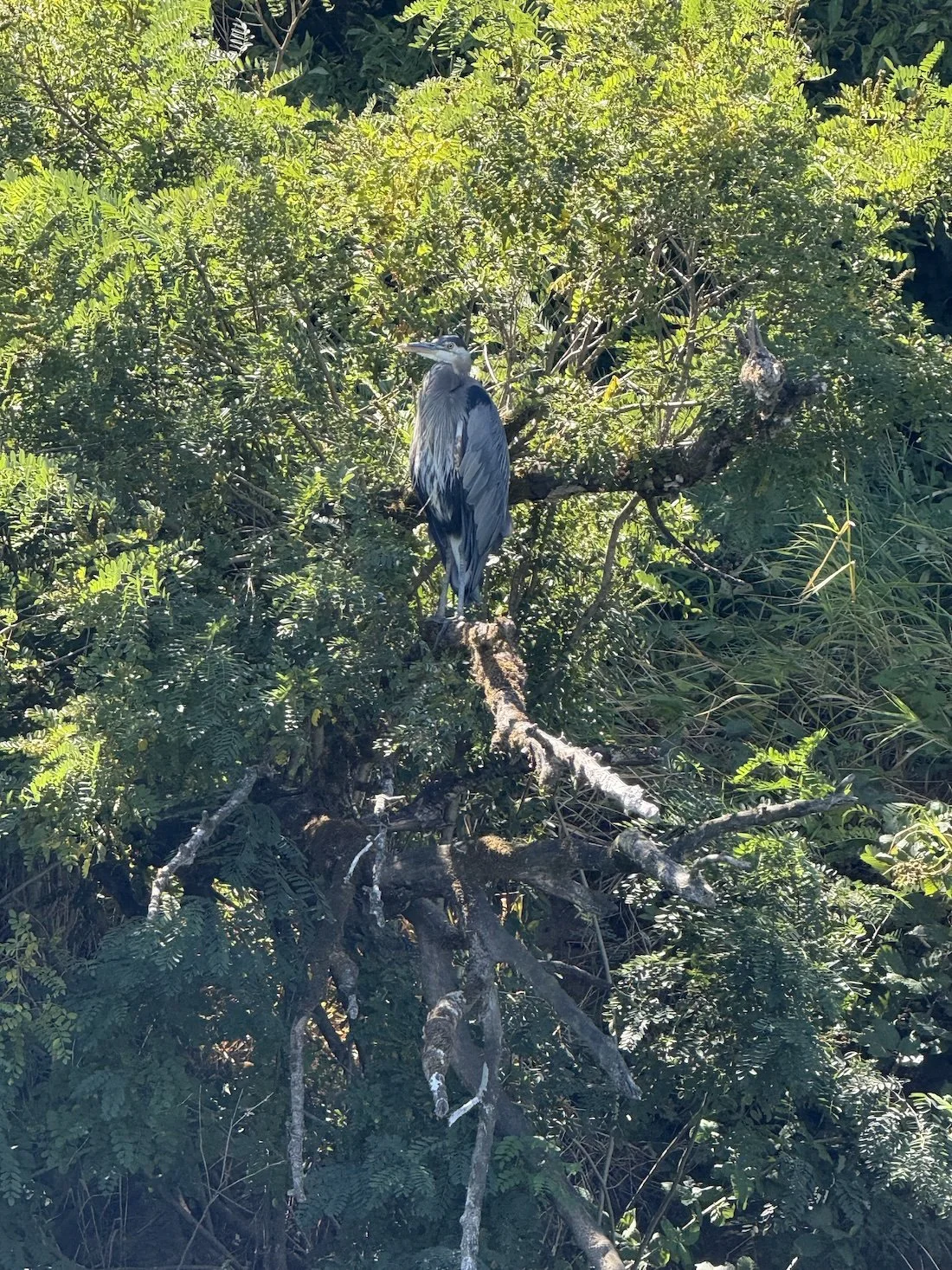
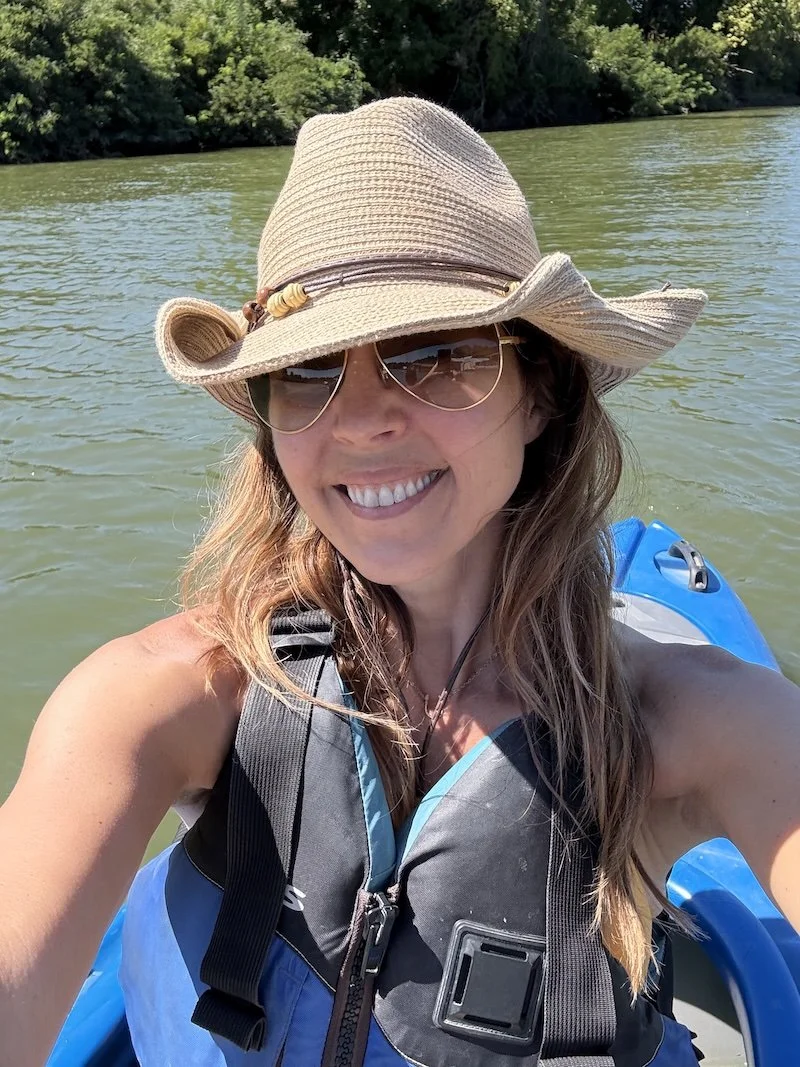
We rented tandem kayaks from Alder Creek and paddled into the Ridgefield National Wildlife Refuge for the afternoon. One of those easy, slow-water days that PNW paddling does so well…. flat water, herons lifting off the banks, the kids paddling with us (mostly in sync), and the sun shining on our skin…
It was a great paddle. Until we came back to the dock.
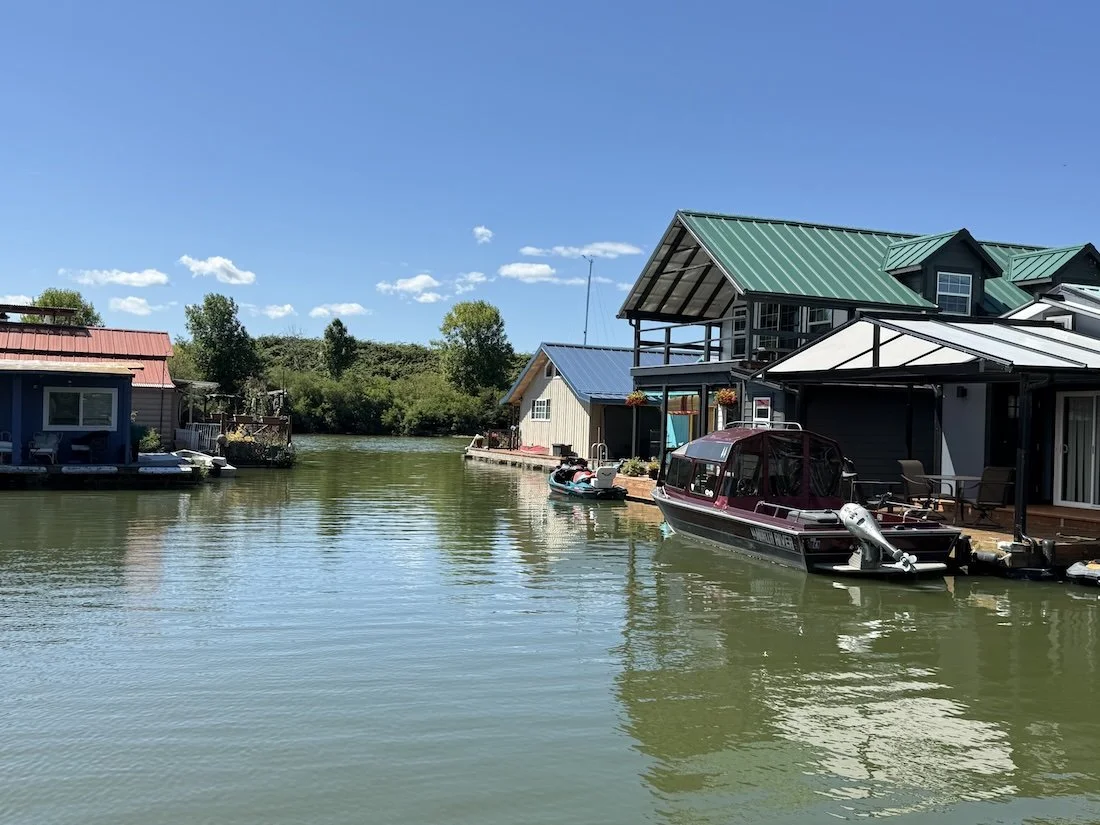
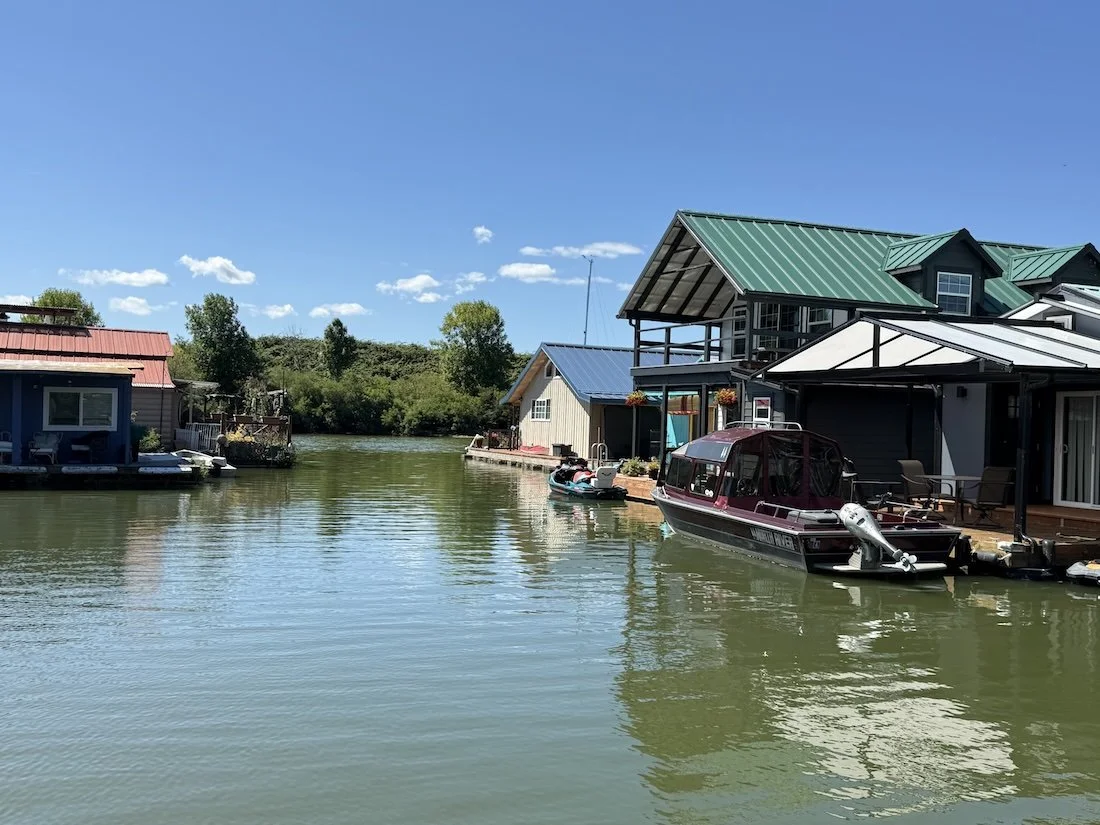
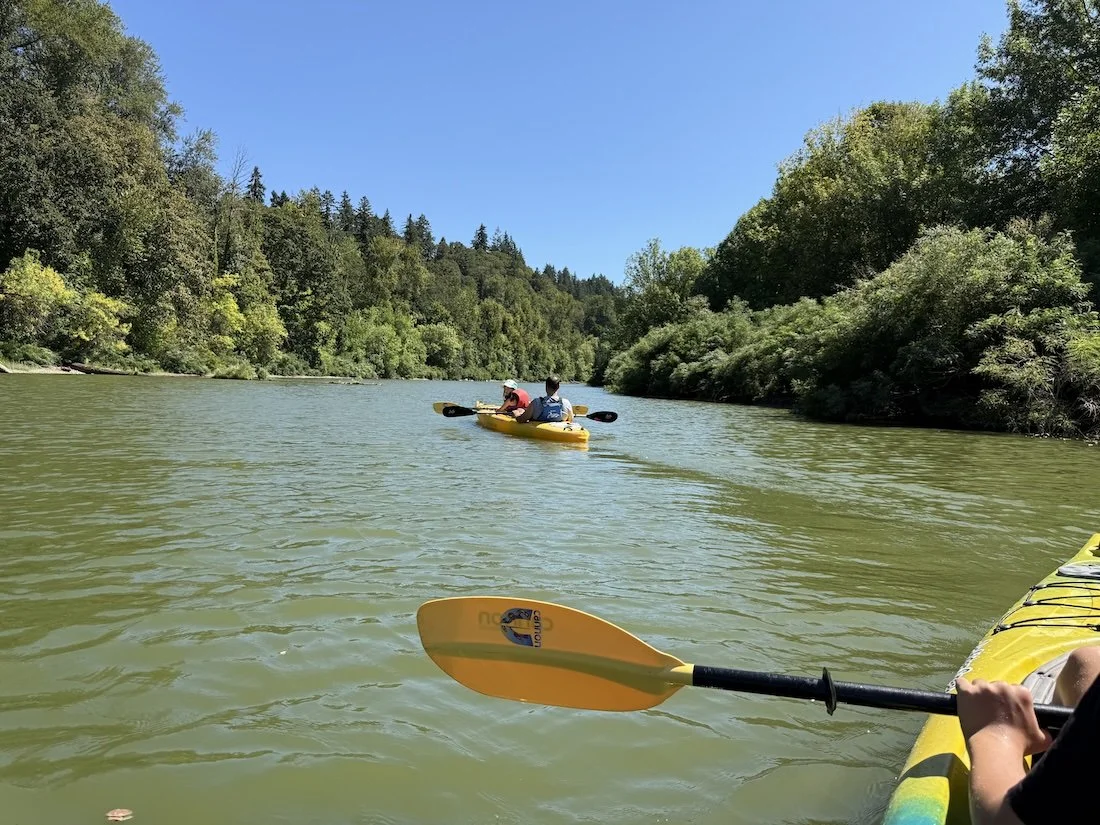
We were stepping out of the kayaks onto the floating dock when my husband’s car key fob slipped out of his shorts pocket. No splash, no warning, just gone. Straight into about eight feet of murky green water, with a current pulling under the dock.
No spare key in the car.
No floating keychain.
No keychain at all, actually — just a naked fob he’d clipped nothing to. And we were an hour from home.
He spent the next 45 minutes free-diving off the dock. Down, up, breathe, down again. Cold water, soft muddy river floor. The kids were good sports, but we were all tired and hot and hungry. Finally I jumped in the Lake River as well (but being much shorter than my husband, this was harder and grosser than it sounds) while I contemplated calling an Uber and what that would cost us.
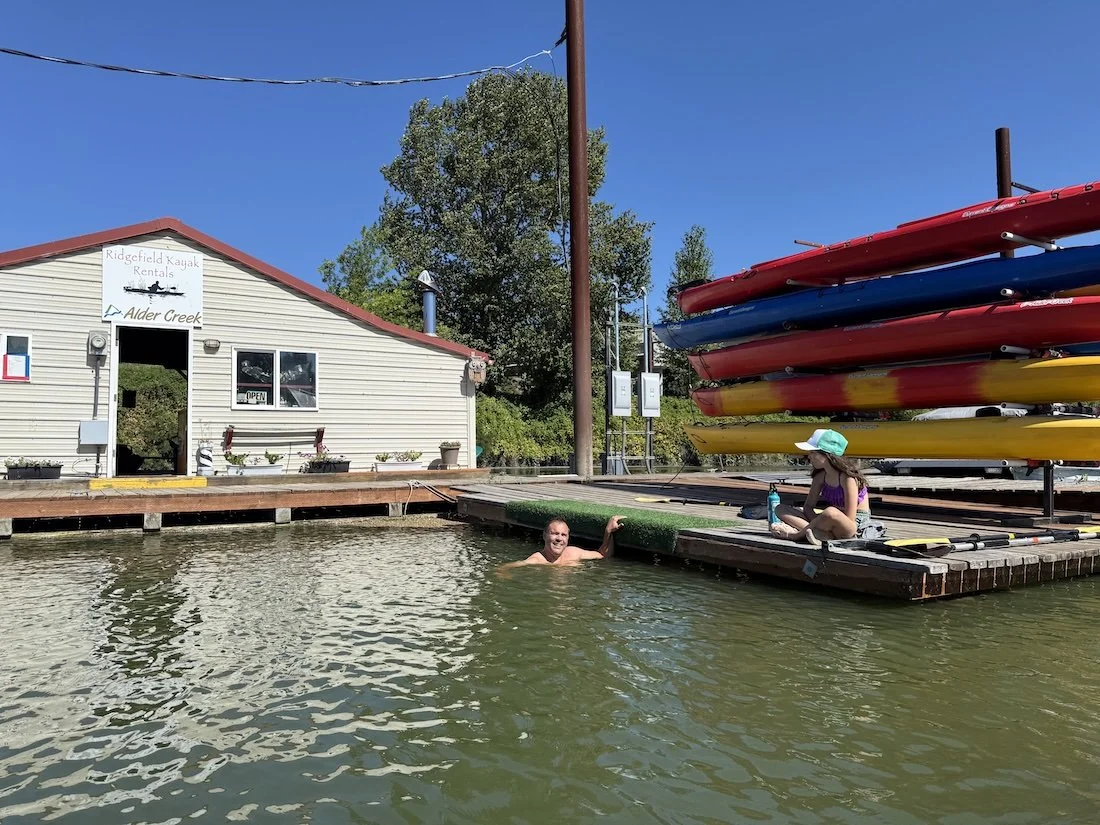
On what he swore was going to be his last dive, my husband came up holding the fob over his head like a trophy. It had drifted slightly under the dock and settled into silt.
We got incredibly lucky! Most people don’t.


The $5 lesson we’ll never ignore again
A basic foam floating keychain costs about the price of a latte. That’s it. That’s the whole story. Had one been clipped to that fob, we would’ve watched it bob up to the surface, scooped it with a paddle, and laughed about it on the drive home. Instead we were cold, wet, tired, and hosing our bodies off of river water (and potential toxic algae blooms that we wanted to avoid at all costs for ourselves–the kids weren’t allowed in the river that day).
A few solid floating keychains worth owning
You don’t need anything fancy. A few options worth looking at so your keys float if they ever go overboard into the water:
• Basic foam floats (Amazon, multi-packs) — often $5–$10 for 2 to 10 of them. Bright yellow or orange, simple, they do the job.
• Chums Floating Keychain — a wrist-worn latex tube with closed-cell foam, designed to float keys up to 1 oz. Great for paddlers who want something on the body, not in a pocket.
• Hardline Vinyl-Dipped Key Float — marine-grade, vinyl-coated foam rated to float up to 9 keys. The upgrade pick if you have a heavy keyring or boat as well as paddle.
• New Wave Swim Buoy Keychain — a soft PU foam float in hi-vis yellow, popular with open-water swimmers and kayakers. Usually around $8–$10.
Price range across the board: roughly $5 to $15. Test the float with your actual keys before trusting it, especially if you have a heavy fob — some only hold an ounce or two.
Kayaking the Ridgefield National Wildlife Refuge
If you’ve never been, the Ridgefield National Wildlife Refuge is one of the calmer, more beginner-friendly paddles in the Portland area. Alder Creek’s rental setup on the dock makes it simple — single kayaks, tandems, and the staff will point you toward the best water for the day. Rentals typically run in the $20–$40 range per hour depending on the boat.
Best time to go: mid-morning through early afternoon in summer, when the light is good and the wildlife is active. Absolutely doable with kids in tandem kayaks. Solo kayaking requires a bit more skill in navigating currents (check the tides).
The takeaway
The paddle was worth it. The panic wasn’t. Spend the five bucks.
About Flatwater Kayak Club
Flatwater Kayak Club is a leading online platform dedicated to supporting beginner and intermediate kayakers in the Pacific Northwest and beyond.